Creating Positive Mealtime Experiences
for Babies and Toddlers
Supporting Calm, Connected, and Confident Mealtimes

Positive Mealtime Experiences
At Chatterbox Eats, we believe mealtime is about far more than what’s on the plate. It’s where connection, curiosity, and confidence grow — one small bite, one messy moment, and one shared experience at a time.
For babies and young children, eating is not just about nutrition. It is a developmental process that involves sensory exploration, oral-motor learning, emotional connection, and growing independence.
When mealtimes feel calm, predictable, and supportive, children are more likely to explore new foods and develop a healthy relationship with eating.
Why Positive Mealtimes Matter for Child Development
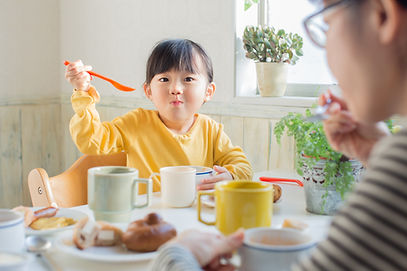
Mealtimes are one of the first places where children learn many foundational skills. Sitting at the table supports posture and coordination, exploring foods builds sensory tolerance, and practicing self-feeding strengthens fine-motor and oral-motor development.
Just as important, mealtime interactions help children develop communication, social connection, and trust in their own hunger and fullness cues.
When caregivers focus on creating positive experiences rather than pressure to eat, children are more likely to become confident, curious eaters over time
What Is a Positive Mealtime Experience?

A positive mealtime is about so much more than getting kids to eat their food. It’s about creating a space where they can explore, connect, and feel confident at their own pace, supported by routine, calm, and encouragement.
A Positive Mealtime Experience Is Built On:
-
A relaxed environment: Meals are calm, unhurried, and free from pressure or compliance.
-
A consistent routine: Predictable timing and rituals help children know what to expect.
-
A sense of autonomy: Children are encouraged to explore food, feed themselves, and listen to their body cues.
-
A focus on connection, not consumption: Mealtime becomes about shared joy and curiosity — not counting bites.
How to Create a Positive Mealtime Experience
Creating a positive mealtime doesn’t mean every meal will go perfectly. It means your child feels safe, curious, and supported while learning to eat.
These tips combine research-based strategies from feeding therapy, nutrition, and early childhood development, helping you nurture calm, confident eaters one meal at a time.
Start with Self Reflection

Before shaping your child’s mealtime behavior, reflect on your own relationship with food:
-
What were meals like when you were growing up?
-
Were they calm or rushed?
-
What unspoken rules about eating have you carried forward.
Awareness helps you model the atmosphere you want to create — one that’s calm, accepting, and focused on connection rather than control.
Create a Calm, Supportive Environment

A familiar, low-stimulation space helps children self-regulate, focus, and explore food without overwhelm.
SLP Tips:
-
Choose a consistent eating spot for all meals.
-
Provide proper seating support — feet flat, back supported, and table at elbow height.
-
Turn off screens and minimize noise or clutter.
-
Keep smells gentle and inviting.
Build Predictable Routines

When meals follow a clear rhythm, children know what to expect and when. Routine reduces helps kids learn body rhythms like hunger and fullness.
SLP Tips:
-
Offer meals and snacks at roughly the same times each day.
-
Start with a fun cue like hand-washing, a song, or “kiss foods hello.”
-
End with a closing ritual — a family high-five or “thank you” moment.
Start Early & Focus on Comfort

When children are encouraged to explore food early on, they grow more curious and confident in trying new things.
SLP Tips:
-
Begin healthy routines before age three, when food curiosity peaks.
-
Prioritize rest, posture, and emotional comfort before expecting participation.
-
Allow 10 minutes of warm-up time before eating to explore or observe without pressure.
Provide Pressure-Free Meals

Children naturally eat better when they don’t feel pressured. Pressure (even well-meaning) often triggers resistance.
Avoid saying:
-
“Just one more bite.”
-
“You can’t play until you finish that.”
-
“No dessert until you try this.”
Try saying instead:
-
“You can start when you’re ready.”
-
“You don’t have to eat more than you’re hungry for.”
-
“You don’t have to eat all of it.”
Let your child choose which foods from what’s served and how much to eat. This approach helps children tune into their internal hunger cues, a skill that builds lifelong self-regulation.
Plan Balanced Meals and Snacks
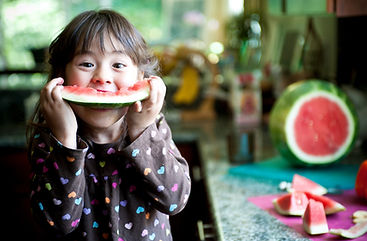
You decide what and when meals are offered. Your child decides if and how much to eat. Structure without pressure helps children develop confidence and balance in their eating habits.
SLP Tips:
-
Serve three meals and two to three snacks at consistent times.
-
Pair a familiar food with a new one.
-
Offer a mix of colors, textures, and nutrients.
-
Encourage shared meals — kids who eat with others make healthier choices.
Make Eating Fun

Making mealtime and food playful helps children approach new textures and flavors with curiosity instead of caution.
SLP Tips:
-
Present food in creative ways — cut sandwiches into fun shapes, make veggie faces on plates, or serve foods with different dips.
-
Smell and describe aromas together (“That orange smells so fresh!”).
-
Listen for crunches or squishes — talk about what you hear!
Keep Trying New Foods

Learning to like a food takes time - usually 8–10 exposures or more!
Remember: An “exposure” doesn’t mean swallowing - it can be:
-
Touching, smelling, or licking a new food
-
Helping serve or cook it
-
Seeing it on someone else’s plate
-
Taking a small “test bite”
Keep offering new foods in fun ways, without insisting, and curiosity will grow.
Encourage Communication and Autonomy

When children can share their thoughts and choices about food, they develop a sense of control and trust, key ingredients for positive eating experiences.
SLP Tips:
-
Offer two choices (“apple or banana?”).
-
Teach signals like thumbs-up, thumbs-down, or “no thanks.”
-
Accept refusals calmly.
Involve Children in Food Prep

Participation increases buy-in (especially for preschoolers). When children help prepare food, they develop pride and curiosity that carry over to the table.
SLP Tips:
-
Let them wash veggies, stir batter, or sprinkle toppings.
-
Ask simple questions: “What does this smell like?” “Which color do you like?”
-
Talk about where foods come from.
Reduce Pressure and Set Realistic Expectations

Progress comes in small steps. Every calm sit, smell, or tiny taste builds trust and comfort.
SLP Tips:
-
Serve small portions to prevent overwhelm.
-
Praise effort, not quantity eaten.
-
Redirect gently (use a “scrap bowl” for foods they don’t want.
Build motivation Through Repeated Positive Experiences

Children learn best through repetition and joy. Consistency, not pressure, builds confidence.
SLP Tips:
-
Offer new foods frequently in small amounts.
-
Pair new foods with familiar favorites.
-
Celebrate small wins (“You smelled broccoli today!”).
-
Keep a sticker chart or “taste tracker” for encouragement.
Celebrate Connection Over Consumption

The best mealtime moments come from laughter and shared conversation, not from how much a child eats. When the focus is on connection, children naturally become more comfortable and curious around food.
SLP Tips:
-
End meals with warmth: “I loved sitting with you.”
-
Keep conversation light and positive.
-
Focus on connection, not compliance.
Support Developmental Readiness
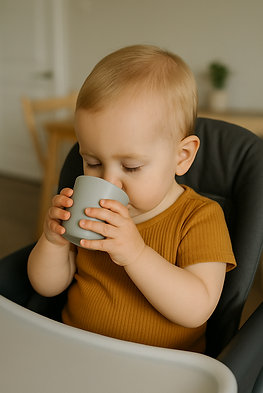
Feeding is a learned skill. When expectations match your child’s developmental stage, mealtimes become more successful.
SLP Tips:
-
Look for readiness cues: Sitting upright, reaching for food, and showing interest are signs your child is ready to explore.
-
Offer manageable portions: Small, easy-to-handle bites help prevent overstuffing and support pacing.
-
Model the process: Eat together and model slow bites (“chew, chew, swallow”).
-
Encourage pauses: Offer sips of water or short breaks between bites.
-
Check posture: Feet supported, body stable — good positioning supports safe eating.
-
Embrace the mess: Touching and exploring food builds sensory comfort.
-
Stay calm with big bites: Gently guide (“let’s chew that first”) instead of correcting.
When Early Feeding is Hard

Some children experience feeding challenges before “picky eating” begins. Issues like reflux, a sensitive gag reflex, tongue-tie, or oral-motor weakness can make eating uncomfortable and lead to avoidance over time.
Signs your child may need extra support:
-
Frequent gagging, coughing, or vomiting during meals
-
Refusing textured foods beyond 9–10 months
-
Difficulty transitioning from bottles or purees to solids
-
Long, stressful mealtimes or very limited food choices
-
Challenges with posture, chewing, or swallowing
When to reach out:
If feeding feels consistently difficult or stressful, consider consulting a Speech-Language Pathologist (SLP) or Occupational Therapist (OT) trained in feeding therapy.
How Chatterbox Eats Supports
Positive Mealtime Experiences
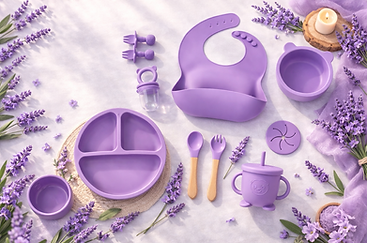
The Chatterbox Eats™ feeding collection was created with these developmental foundations in mind. Each piece is designed to support babies and toddlers as they explore food, practice self-feeding skills, and build confidence at the table.
From supportive seating and easy-to-grip utensils to bowls and plates that encourage scooping and exploration, the goal is simple: to help families create calm, positive mealtime experiences where children feel safe to learn and grow.