
The Ultimate Puree Guide
Starting solids can feel exciting, emotional, messy, and sometimes overwhelming all at once. Many parents wonder where to begin, which foods to offer first, how smooth textures should be, and whether purees still have a place alongside baby-led weaning.
The good news is that there is no one “perfect” way to feed your baby.
Starting solids is meant to be messy, playful, exploratory, and enjoyable — so have fun, follow your child’s lead, and enjoy discovering new tastes and textures together.
.


Introducing Purees
with Confidence
Purees are often one of the first ways babies learn about new tastes, textures, temperatures, smells, and the social experience of mealtimes.
When beginning solids, many families choose to introduce one new food at a time for several days before adding another. This can help monitor for possible allergic reactions or sensitivities as babies begin exploring new foods.
Always discuss feeding concerns or allergy questions with your pediatrician.
Self-Feeding Tip:
Try offering small tastes on a pre-loaded spoon so your baby can begin practicing bringing the spoon to their mouth independently.
Nutritional Needs for Babies: A Quick Look
While breastmilk or formula remains the primary source of nutrition during the first year, solid foods help introduce important nutrients that support growth and development.Because babies have small stomachs, even small amounts of nutrient-rich foods can make a big difference.
Purees can be a wonderful way to introduce a variety of flavors, textures, and nutrients during the early feeding journey.
Iron
Around 6 months, babies begin needing additional iron from foods to support brain development and growth.
Iron-rich puree ingredients may include:
-
lentils
-
beans
-
chicken
-
beef
-
spinach
-
iron-fortified oats
Tip: Pair vitamin C-rich foods with iron-rich foods to help support iron absorption.
Healthy Fats
Healthy fats support brain development, growth, and overall nutrition during infancy.
Foods rich in healthy fats may include:
-
avocado
-
salmon
-
full-fat yogurt
-
chia seeds
-
flaxseed
-
olive oil
Tip: Small amounts of healthy fats can create smoother textures while supporting growth and brain development.
Protein
Protein supports growth, muscle development, tissue repair, and overall nutrition during infancy.
Protein-rich foods for babies may include:
-
beans
-
peas
-
lentils
-
chicken
-
turkey
-
beef
-
Greek yogurt
-
cottage cheese
-
eggs
Tip: Combining proteins with fruits, vegetables, or grains can help introduce more balanced puree combinations.
Vitamin C
Vitamin C supports immune health and helps the body absorb iron.
Foods naturally rich in vitamin C include:
-
strawberries
-
oranges
-
broccoli
-
potatoes
-
tomatoes
-
berries
TIP: Pair Vitamin C-rich purees with iron-heavy foods to supercharge nutrient absorption.
Fiber
Fiber supports digestion and helps babies gradually experience a wider variety of plant-based foods and textures.
Fiber-rich foods may include:
-
pears
-
peas
-
oats
-
sweet potatoes
-
beans
-
berries
-
prunes.
Tip: Offering fiber-rich foods alongside adequate fluids may help support healthy digestion as babies begin solids.

Stage 1 Baby Food Puree
Stage 1 purees are often some of the very first foods babies experience as they begin their feeding journey. These early purees are typically smooth, soft, and easy to swallow while babies continue developing oral-motor skills and learning how to manage new textures. At this stage, feeding is not only about nutrition — it is also about exploration, sensory learning, and creating positive mealtime experiences as babies discover new tastes, smells, temperatures, and textures step by step.
Puree Preparation
Most homemade purees can be prepared using:
-
a blender,
-
food processor,
-
immersion blender,
-
or baby food maker.
Simple Preparation Tips
-
Cook firmer foods until soft and tender.
-
Add small amounts of breastmilk, formula, or water as needed to thin textures.
-
Allow foods to cool before serving.
-
Avoid added salt, sugar, or honey for babies under 12 months.
10 Easy Stage 1 Purees for Babies
Fruit Purees
Fruit purees are often naturally sweet, smooth, and easy for many babies to accept during the transition to solids.
Banana Puree
Ingredients
-
1 ripe banana
-
breastmilk, formula, or water as needed
Instructions
-
Peel banana and remove scrape off any stringy fibers.
-
Mash thoroughly with a fork or blend until smooth.
-
Add liquid as needed to thin the consistency.
Benefits
Provide potassium, fiber, and a naturally soft texture that makes them a gentle first puree

Apple Cinnamon Sauce
Ingredients
-
2 apples, peeled and chopped
-
pinch of cinnamon
-
water as needed
Instructions
-
Cook apples in a saucepan with a small amount of water until soft.
-
Blend until smooth.
-
Add cinnamon and mix well.
Benefits
Provide fiber and vitamin C while introducing naturally sweet flavors and mild spices like cinnamon.

Pear Puree
Ingredients
-
2 ripe pears
-
water as needed
Instructions
-
Peel and chop pears.
-
Steam until soft.
-
Blend until smooth.
Benefits
Provide fiber, hydration, and a mild flavor that may help support digestion during early feeding experiences.

Avacado Puree
Ingredients
-
1 ripe avocado
-
breastmilk, formula, or water as needed
Instructions
-
Scoop avocado into a bowl.
-
Mash or blend until smooth.
-
Thin if needed.
Benefits
Contain healthy fats and fiber that support brain development and growth while introducing naturally creamy textures.

Vegetable Purees
Vegetable purees often introduce babies to more earthy, savory flavors compared to naturally sweet fruit purees.
Carrot Puree
Ingredients.
-
3 carrots, peeled and chopped
-
breastmilk, formula, or water as needed
Instructions
-
Steam carrots until soft.
-
Blend until smooth.
-
Thin as needed.
Benefits
Carrots provide vitamin A and naturally sweet vegetable flavors while introducing slightly thicker textures.

Sweet Potato Puree
Ingredients
-
1 sweet potato
-
breastmilk, formula, or water as needed
Instructions
-
Peel and chop sweet potato.
-
Steam or roast until soft.
-
Blend until smooth.
Benefits
Sweet potatoes provide vitamin A, fiber, and a naturally creamy texture.

Green Pea Puree
Ingredients
-
1 cup peas
-
breastmilk, formula, or water as needed
Instructions
-
Steam peas until soft.
-
Blend thoroughly.
-
Strain if needed for smoother texture.
Benefits
Provide fiber, iron, and plant-based protein while introducing slightly thicker textures.

Butternut Squash Puree
Ingredients
-
butternut squash, peeled and cubed
-
breastmilk, formula, or water as needed
Instructions
-
Roast or steam squash until tender.
-
Blend until smooth.
Benefits
Provides vitamin A and a naturally smooth, mildly sweet flavor many babies enjoy.

Broccoli Puree
Ingredients
-
broccoli florets
-
breastmilk, formula, or water as needed
Instructions
-
Steam broccoli until soft.
-
Blend thoroughly until smooth.
Benefits
Provides vitamin C, fiber, and exposure to stronger vegetable flavors.

Spinach Puree
Ingredients
-
fresh spinach
-
breastmilk, formula, or water as needed
Instructions
-
Steam spinach briefly until wilted.
-
Blend until smooth.
Benefits
Contains iron and folate and blends well with fruits and vegetables for gradual flavor exposure.

Stage 2 Baby Food Combinations
As babies become more comfortable with smooth purees, combination blends can introduce greater variety in flavor, texture, and nutrition. These slightly thicker purees may combine fruits, vegetables, grains, proteins, and healthy fats while supporting sensory exploration, oral-motor development, and gradual texture progression during the feeding journey.
5 Simple Steps for Combining Baby Food Purees
-
Prepare a few base purees using single ingredients such as fruits, vegetables, oats, or proteins.
-
Refrigerate or freeze puree portions for later use.
-
Mix and match base purees together to create new flavor and nutrient combinations.
-
Adjust texture and consistency as needed using breastmilk, formula, or water.
-
Serve by spoon, pre-loaded spoon, or reusable pouch depending on your child’s feeding stage and preferences.
10 Easy Stage 1 Purees for Babies
Apple Pear Oat Puree
Ingredients
-
1 apple
-
1 pear
-
2 tablespoons cooked oats
-
Add breastmilk, formula, or water as needed.
Instructions
-
Peel and chop apple and pear.
-
Steam until soft.
-
Blend with cooked oats until smooth.
-
Add breastmilk, formula, or water as needed.
Benefits
Oats provide iron and fiber, while apples and pears add natural sweetness and vitamin C.

Banana & Avocado Blend
Ingredients
-
1 ripe banana
-
1/2 avocado
-
Thin with breastmilk or water if needed.
Instructions
-
Mash or blend banana and avocado together until smooth.
-
Thin if needed with breastmilk or or water.
Benefits
This creamy blend provides healthy fats, fiber, and potassium while introducing slightly thicker textures.

Peach & Pear Blend
Ingredients
-
1 peach
-
1 pear
-
water as needed
Instructions
-
Peel and chop fruit.
-
Steam lightly if needed until soft.
-
Blend until smooth.
-
Thin with water as needed.
Benefits
Peaches and pears provide fiber, hydration, and vitamin C while creating a naturally smooth and mildly sweet blend for early feeding experiences.

Sweet Potato & Carrot Mash
Ingredients
-
1 sweet potato
-
2 carrots
-
Add breastmilk, formula, or water as needed.
Instructions
-
Peel and chop vegetables.
-
Steam until soft.
-
Blend or mash together until desired consistency is reached.
Benefits
Sweet potatoes and carrots provide vitamin A, antioxidants, and naturally smooth textures.

Chicken & Pea Puree
Ingredients
-
1/4 cup cooked chicken
-
1 cup peas
-
breastmilk, formula, or water as needed
Instructions
-
Steam peas until soft.
-
Add peas and cooked chicken to a blender or food processor.
-
Blend until smooth.
-
Add breastmilk, formula, or water as needed to reach desired consistency.
Benefits
Chicken provides protein and iron, while peas add fiber, vitamin C, and natural sweetness.


Nutrient Rich Combos
Simple puree combinations can help introduce important nutrients while exposing babies to a variety of flavors, textures, and sensory experiences during the feeding journey.
Fruit & Veggie Blends
These combinations help expose babies to a variety of fruit and vegetable flavors during the feeding journey.
Combination Ideas
-
Pea + Pear
-
Spinach + Apple
-
Broccoli + Pear
-
Carrot + Apple
-
Sweet Potato + Pea
-
Butternut Squash + Pear/Apple
-
Pumpkin + Apple
-
Spinach + Banana
Why These Work
Pairing fruits with vegetables helps introduce more balanced flavors and sensory variety.
Iron-Rich Combinations
Iron becomes especially important around 6 months as babies begin needing more iron from foods to support growth and brain development.
Combination Ideas
-
Lentil + Sweet Potato
-
Beef + Sweet Potato
-
Spinach + Sweet Potato
-
Chicken + Pea
-
Oat + Blueberry
-
Lentil + Carrot
-
Spinach + Pear
-
Beet + Apple
Why These Work
These combinations pair iron-rich foods with fruits or vegetables that may help support iron absorption while introducing babies to varied flavors and textures.
Healthy Fat Blends
Healthy fats support brain development, growth, and overall nutrition during infancy.
Combination Ideas
-
Avocado + Sweet Potato
-
Avocado + Banana
-
Avocado + Pear
-
Mango + Coconut Milk
-
Sweet Potato + Olive Oil + Spinach
-
Chia + Oat + Banana
-
Banana + Greek Yogurt
Why These Work
Healthy fat combinations often create naturally creamy textures while supporting early brain development and sensory exploration.
Protein-Packed Purees
Protein supports growth, muscle development, and overall nutrition during infancy.
Combination Ideas
-
Greek Yogurt + Blueberry
-
Chicken + Sweet Potato
-
Chicken + potato + carrot + pea
-
Lentil + Carrot
-
Pea + Avocado
Why These Work
Protein-rich combinations can help create satisfying, nutrient-dense meals while introducing babies to new textures and flavors.
Vitamin C-Rich Blends
Vitamin C supports immune health and helps the body absorb iron.
Combination Ideas
Strawberry + Banana
Mango + Peach
Blueberry + Oat
Blueberry + Peach
Pineapple + Banana
Berry + Coconut Yogurt/Milk
Blueberry + Banana + Quinoa + Flax
Avocado + Pineapple + Banana
Mango + Banana + Coconut Yogurt/Milk
Papaya + Pear + Banana
Why These Work
Vitamin C-rich blends expose babies to bright flavors while supporting nutrient absorption and flavor variety.
Fiber-Rich Combinations
Fiber supports digestion and helps babies experience a wider variety of plant-based foods and textures.
Combination Ideas
-
Pear + Oat
-
Apple + Prune
-
Pea + Pear
-
Pumpkin + Oat
-
Banana + Chia
-
Sweet Potato + Lentil
Why These Work
Fiber-rich combinations may support digestion while gradually introducing babies to more varied textures and consistencies.

Responsive Feeding
Responsive feeding means paying attention to your baby’s cues during mealtimes.
Try to:
-
follow your baby’s hunger and fullness cues,
-
allow messy exploration,
-
avoid pressure to eat,
-
model enjoyment during meals,
-
and keep mealtimes relaxed and positive.
Learning to eat takes time, practice, and repetition.


Storage & Thawing Tips
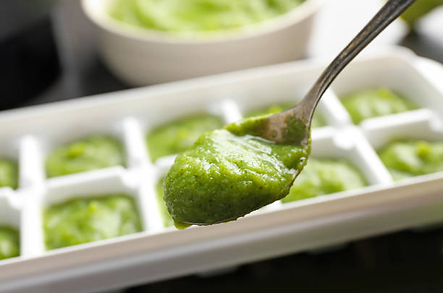
Freezing purees in small portions makes it easy to mix and match different combinations throughout the week while gradually introducing new flavors and textures. Most homemade purees can be:refrigerated for 2–3 days,or frozen for up to 3 months. Helpful storage options include:silicone freezer trays,reusable puree containers,glass jars,or portioned freezer cubes. Labeling and dating stored purees can help families keep track of freshness and food variety.
Thaw overnight in the refrigerator or warm gently before serving.
Final Thoughts
Purees can absolutely coexist with baby-led weaning principles and self-feeding experiences. Many families choose a blended or “hybrid” approach that combines purees, sensory exploration, pre-loaded spoons, and opportunities for babies to actively participate in mealtimes from the very beginning. There is no single “right” way to introduce solids. Some babies enjoy smooth purees early on, while others are eager to explore more textured foods and hands-on feeding experiences sooner — and many children benefit from a combination of both approaches.
